Beneficial Management Possibilities for Hip Dysplasia in Dogs
Hip dysplasia is a widespread issue in dogs that can substantially shape their standard of living. Treatment possibilities range, often demanding a personalized method for each animal. Pain relief approaches can ease pain, but medical procedures might be called for in more pronounced cases. Grasping the details of both treatment paths is vital for dog parents. What variables should be examined when selecting the optimal treatment plan for a adored pet?
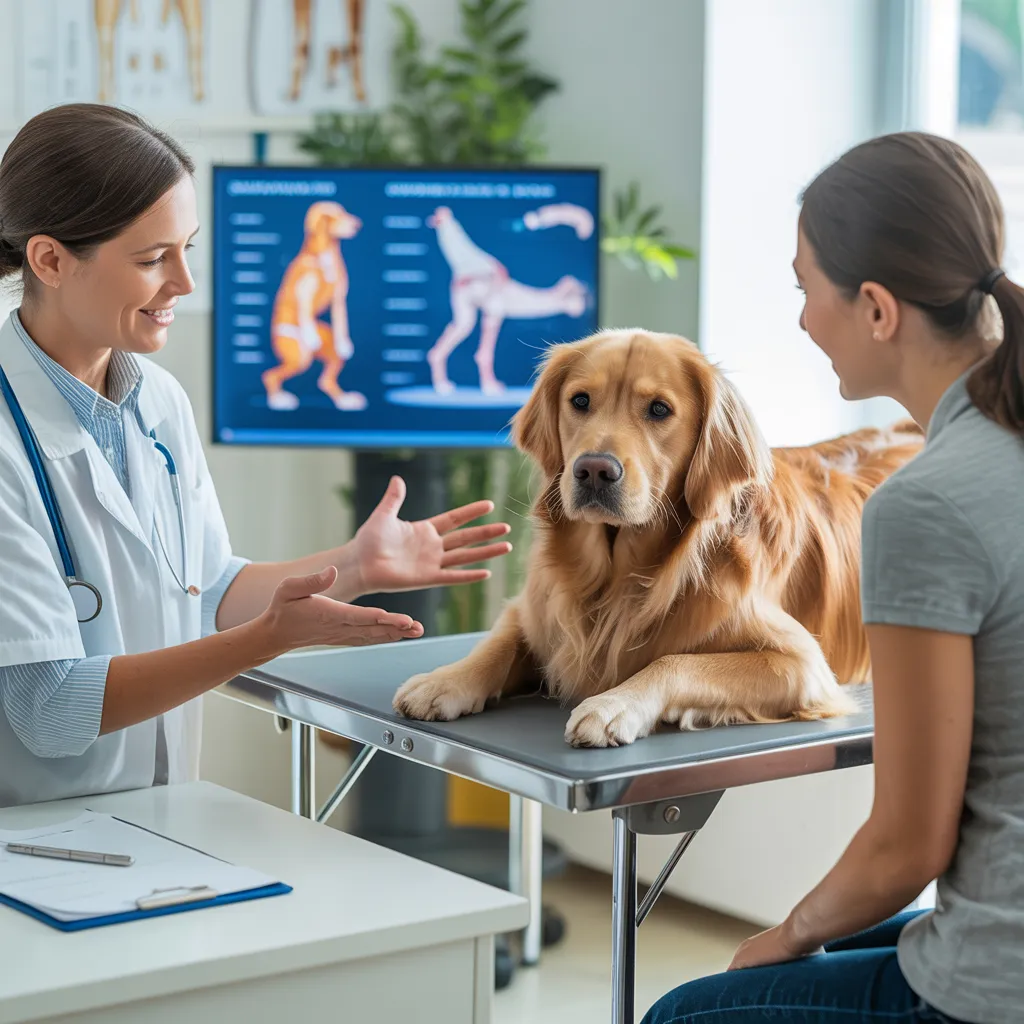
Learning About Hip Socket Disease in Dogs
Hip dysplasia is a common orthopedic condition affecting many dog breeds. This hereditary condition occurs when the hip joint does not fit properly into the hip socket, resulting in instability of the joint and potential arthritis as the dog ages. Various breeds, particularly larger ones like German Shepherds and Golden Retrievers, are more susceptible to this condition. External influences, such as diet and physical activity, can worsen the severity of hip dysplasia. The condition may manifest at an early age, but symptoms often become more evident as the dog develops. While it can affect any dog, the degree of impact varies widely among individuals. Comprehending the implications of hip dysplasia is crucial for responsible dog ownership, as early intervention can greatly enhance a dog's quality of life. Identifying the breed predispositions and potential lifestyle influences is important for proper handling and treatment strategies in affected dogs.
How to Recognize Signs and Receive a Medical Diagnosis?
Detecting the presentations of hip dysplasia in dogs is important for early intervention and effective treatment. Typical manifestations include difficulty in movement, avoidance of physical activity, and noticeable discomfort. A complete veterinary review, often complemented by diagnostic imaging techniques, plays a significant role in confirming the condition and directing optimal care.
Everyday Red Flags to Pay Attention To
When a dog starts showing changes in mobility or behavior, it may suggest potential problems such as hip dysplasia. Typical signs include difficulty rising, reluctance to engage in physical activities, and noticeable limping or stiffness, particularly after exercise. Dogs may demonstrate a reduced mobility in the hips and demonstrate discomfort when touched in that area. Additionally, some may choose to rest frequently or show signs of discomfort when climbing stairs. A distinctive hopping movement can also be noticed, particularly during running. Pet parents should remain vigilant for these indicators, as prompt identification can lead to prompt veterinary evaluation and more effective management of the condition.
Medical Imaging Methods
Accurate identification of hip dysplasia in dogs often relies on advanced diagnostic imaging techniques. Veterinarians typically utilize radiographs (X-rays) to visualize the hip joint's structure, revealing abnormalities such as joint instability and malformation. In some cases, additional imaging modalities like ultrasound or computed tomography (CT) may be employed for a more detailed evaluation of soft tissue and bone. Magnetic resonance imaging (MRI) can also provide extensive insights, particularly in complex cases. These imaging techniques are vital for confirming a diagnosis, evaluating the severity of the condition, and determining the best course of treatment. Early and precise imaging not only aids in effective management but also helps in anticipating potential issues associated with hip dysplasia in dogs.
Emphasizing Veterinary Assessment Significance
In what ways can pet owners effectively identify the signs of hip dysplasia in their dogs? Early detection of symptoms is vital for prompt intervention. Common indicators include difficulty standing up, a reluctance to jump or climb stairs, and decreased activity levels. Owners might additionally observe a waddling gait or pain upon being handled near the hip region.
A thorough veterinary assessment is crucial for an accurate determination. Veterinarians often perform physical examinations and may suggest imaging procedures, such as X-rays, to verify hip dysplasia. Timely veterinary participation not only assists in diagnosis but also guides suitable treatment options, ensuring the dog gets the best possible treatment. Immediate intervention can greatly enhance the dog's well-being and general well-being
Tips to Address Hip Dysplasia Conservatively
Treating hip dysplasia conservatively can substantially enhance a dog's quality of life. This approach typically includes weight management, as sustaining a optimal weight reduces stress on the joints. Regular mild physical activity, such as aquatic exercise or calm walking, strengthens the muscular support around the hip joint without excessive exertion.
Moreover, physical therapies, such as hydrotherapy and massage, can improve mobility and alleviate discomfort. Dietary supplements, like glucosamine and omega-3 fatty acids, promote joint function and reduce inflammation.
Canine owners may also think about using orthopedic mattresses and ramps to minimize strain throughout daily activities. Providing a comfortable living space, with easy access to food, hydration, and resting spots, can enhance a dog's well-being.
When should you think about Surgery for Hip Dysplasia?
When a dog's quality of life is severely impacted by hip dysplasia, surgery may become a necessary consideration. Veterinarians typically suggest surgery when conservative management options, such as weight control and physical therapy, fail to alleviate pain or improve mobility. Signs indicating the need for surgery include persistent limping, difficulty rising, and reduced activity levels.
The choice to move forward with surgical intervention often is based on the dog's age, intensity of the condition, and overall health. Surgical options range from femoral head ostectomy to total hip replacement, adapted to the specific needs of the dog. Additionally, early intervention can lead to better outcomes, as younger dogs are likely to recover more effectively. Ultimately, the decision should require a thorough discussion between the veterinarian and the pet owner, weighing the potential benefits against the hazards and costs associated with the surgical procedures.
How Supplementary Treatments Support Recuperation From Hip Dysplasia
After operative procedure for hip dysplasia, complementary therapies can be instrumental in enhancing recovery and improving overall well-being. These therapies, including acupuncture, physical therapy, and hydrotherapy, can help alleviate pain, decrease swelling, and enhance movement in affected dogs.
Acupuncture has been demonstrated to activate the discharge of endorphins, delivering organic discomfort alleviation and promoting healing. Physical therapy, tailored to the dog's particular requirements, can strengthen muscles around the hip joint, improving stability and function. Hydrotherapy provides gentle physical activity, enabling dogs to build strength and endurance without putting undue stress on their joints.
Moreover, nutritional supplements such as glucosamine and omega-3 fatty acids can support joint health and reduce inflammation. By incorporating these alternative treatments into the recovery plan, pet owners can help their dogs restore their quality of life and improve their overall physical and emotional health post-surgery.
Guidance on Managing Your Dog's Hip Dysplasia at Home
Managing a dog's joint condition at home demands careful attention to diet and physical activity. Adopting specific dietary strategies can help support joint health, while adjusting activity schedules ensures that exercise remains safe and beneficial. These approaches are vital for enhancing the dog's overall wellness and general health.
Dietary Aid Techniques
A healthy diet is essential for controlling hip dysplasia in dogs. Supplying top-notch protein sources is crucial for preserving muscle mass, which supports joint stability. Furthermore, adding omega-3 fatty acids from fish oil can reduce inflammation and support joint health. Antioxidants, including vitamins C and E, may also promote cartilage health and overall joint performance. It is recommended to track caloric intake to prevent obesity since being overweight can exacerbate joint strain. Supplements such as glucosamine and chondroitin may boost joint support. Consulting a veterinarian can ensure that the dog's nutritional needs are fulfilled while treating specific health issues related to hip dysplasia, causing better quality of life.
Techniques for Modifying Exercise
Applying activity alteration techniques is essential for dogs with hip dysplasia. Altering activity levels can help prevent too much strain on the joints. Short, measured walks are recommended than long hikes, allowing steady motion evaluation without overdoing it. Low-impact tasks, like swimming or light play, support strength development while reducing strain on the hips. Owners need to watch their dog's exercise response, making sure any signs of distress are managed quickly. Including rest days is essential to prevent fatigue and promote healing. Also, using supportive gear such as harnesses can help mobility during walks. Tailoring exercises to the dog's unique needs encourages a healthy way of living, ensuring comfort and well-being while effectively managing hip dysplasia.
Frequently Requested Questions
Does Hip Dysplasia Run in Dog Families?
Hip dysplasia may certainly be transmitted in dogs. Hereditary tendencies plays a significant role, with certain breeds being more vulnerable. Responsible breeding practices and genetic testing can help minimize the incidence of this condition.
What Breeds Are prone to Suffer from Hip Dysplasia?
Some types, including German Shepherds, Golden Retrievers, and Bulldogs, are especially vulnerable to hip dysplasia. Hereditary elements and overall build significantly impact the frequency of this condition within these particular dog breeds.
How Can Diet Affect My Dog's Hip Dysplasia?
Hip dysplasia in dogs is greatly influenced by diet's impact on weight control and joint condition. Balanced feeding supports an proper weight, reducing strain on joints, while specific nutrients can boost cartilage function and complete movement.
Do specific exercises prove beneficial canines that have hip dysplasia?
Particular exercises that are beneficial for dogs with hip dysplasia include gentle exercises like swimming and walking on soft surfaces. These exercises strengthen muscles, better joint stability, and enhance overall mobility, decreasing discomfort and promoting a healthier lifestyle.
What Can We Expect Regarding Long-Term Outcomes for Dogs With Hip Dysplasia?
The long-term prognosis for dogs with hip dysplasia is variable. Many dogs have controllable pain and enhanced mobility through lifestyle modifications and treatments. However, some may develop arthritis, leading to diminished quality of life over time.